
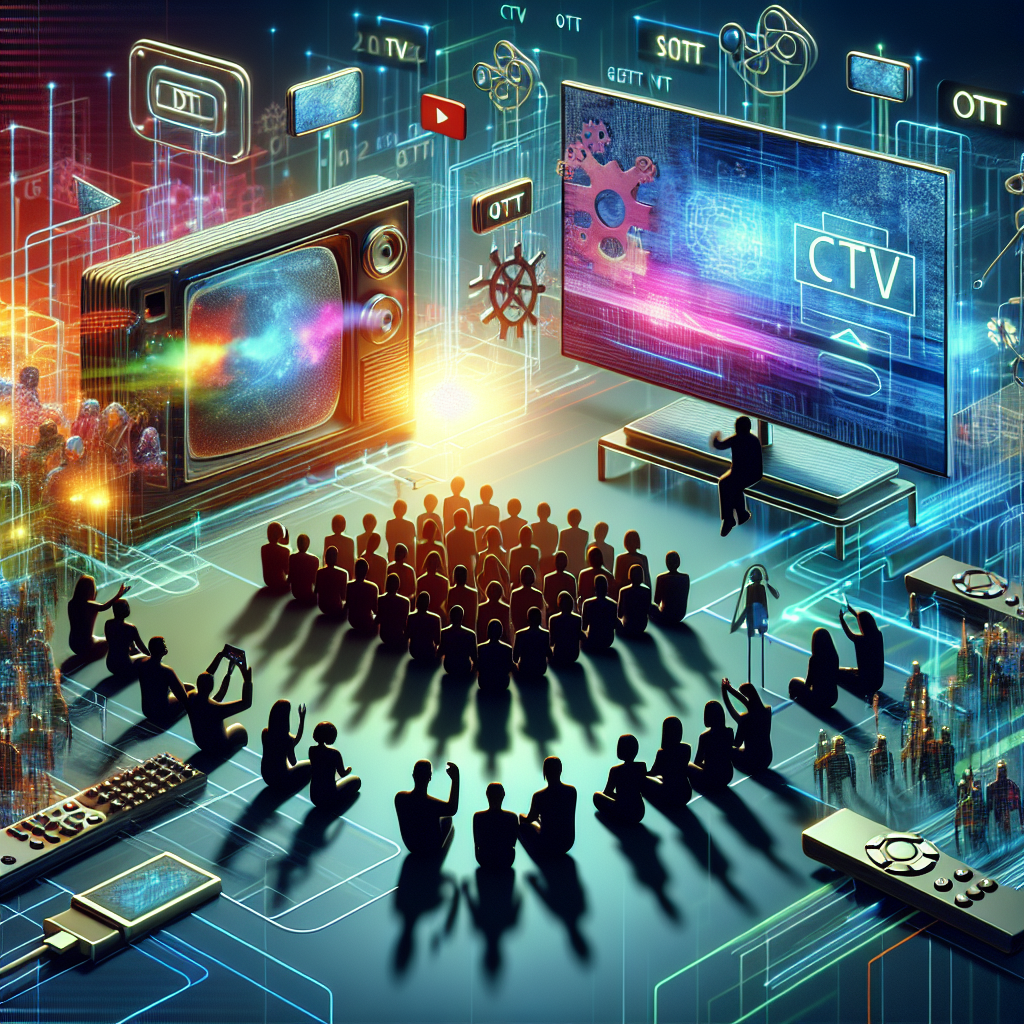
In an era where entertainment is increasingly consumed in personalized formats, Connected TV (CTV), Over-the-Top (OTT) streaming, and Online Video are playing pivotal roles in shaping the future of how we engage with content. These digital formats have revolutionized how viewers interact with media, providing unmatched flexibility and personalized experiences that traditional TV simply can’t match. As more consumers pivot towards digital streaming, understanding these technologies becomes crucial for advertisers and content creators striving to enhance viewer engagement.
Understanding CTV, OTT, and Online Video
Connected TV (CTV) refers to any television that can be connected to the internet to access content beyond what is available via the traditional broadcasting mediums. This includes Smart TVs, as well as TVs using devices such as Roku, Apple TV, and Amazon Fire Stick.
Over-the-Top (OTT), on the other hand, refers to streaming services offered directly to viewers via the internet. This contrasts with CTV by being more platform-agnostic; meaning, you can access OTT content on TVs, smartphones, tablets, and computers. Popular OTT services include Netflix, Hulu, and Disney+.
Online Video is a broad term that includes all video content available on the internet and is not limited to a specific device or applications, it’s the entirety of video content accessible online—think of platforms like YouTube or Vimeo. Together, CTV, OTT, and Online Video create a comprehensive ecosystem that proliferates the way we watch TV and engage with video content.
The Advantages of CTV and OTT Platforms
The shift from traditional TV to CTV and OTT offers a plethora of advantages:
- Flexibility: Viewers can watch their favorite shows and movies anytime, anywhere, breaking free from the confines of traditional programming schedules.
- Personalization: Advanced algorithms recommend content tailor-made for specific viewer preferences, enhancing the personal connection with content.
- Interactivity: These platforms often allow for interactive content, adding layers of engagement that weren’t possible in traditional media forms.
- Ad Targeting: For advertisers, the ability to target specific demographics with precision ensures that ad spend is optimized and that viewers get more relevant advertisements.
Enhancing Viewer Engagement
In the digital landscape, viewer engagement is key to retaining audiences and ensuring a platform’s vitality. The integration of CTV and OTT leads to enhanced engagement through several methods:
- Interactive Content: By offering content that requires viewer interaction, such as choose-your-own-adventure style narratives, platforms increase viewer engagement and satisfaction.
- Tailored Suggestions: Leveraging big data, streaming platforms can offer personalized content recommendations, keeping viewers engaged longer by providing them with what they love most.
- Social Integration: Linking streaming services with social media platforms encourages discussions and engagement among viewers, fostering a community around content.
Streaming services continue to experiment with new engagement strategies, like live streaming and virtual reality content, which promise to keep viewers engaged and coming back for more.
Impact on Media Buying
For media buyers, the landscape is more exciting—and complex—than ever before. The transition to digital streaming necessitates new strategies:
- Data-Driven Decisions: The wealth of data available from CTV and OTT platforms enables highly targeted ad campaigns based on detailed viewer profiles and content preferences.
- Programmatic Buying: Automated buying systems allow for real-time bidding on ad spaces, making ad placements more efficient and tailored.
- Cross-Platform Campaigns: Ensuring consistent messaging across various platforms is crucial given that viewers might engage with content on multiple devices throughout the day.
- ROI Analysis: With digital tracking tools, media buyers can precisely measure campaign effectiveness, optimizing future budgets and strategies.
Understanding the nuances of each platform is essential for maximizing reach and engagement, ensuring brands effectively attain their advertising goals.
Future Trends to Watch
As technology continues to evolve, several trends are expected to shape the future of CTV, OTT, and Online Video:
- Increased Personalization: As AI and machine learning technologies advance, expect even more personalized content and advertisements to become the norm.
- Augmented and Virtual Reality: Enhanced immersive experiences via AR and VR technologies will create new engagement opportunities for users and content creators alike.
- Original Content: With more platforms investing in high-quality, original content, the competition for viewer attention is only set to increase.
- Collaborative Content Creation: The rise of user-generated content and collaboration between platforms and creators will continue to diversify content offerings and increase viewer engagement.
The trajectory of digital streaming is upward, offering endless possibilities for innovation. By embracing these technologies, we can redefine viewer engagement and provide more enriched and immersive entertainment experiences.
In conclusion, the landscape of entertainment media is rapidly evolving with CTV, OTT, and Online Video at the forefront. For businesses and content creators, leveraging these technologies offers powerful avenues for engaging audiences and boosting viewer interaction in ways once unimaginable in traditional TV settings. The future of streaming platforms is bright, promising endless possibilities for transformative viewer experiences.