
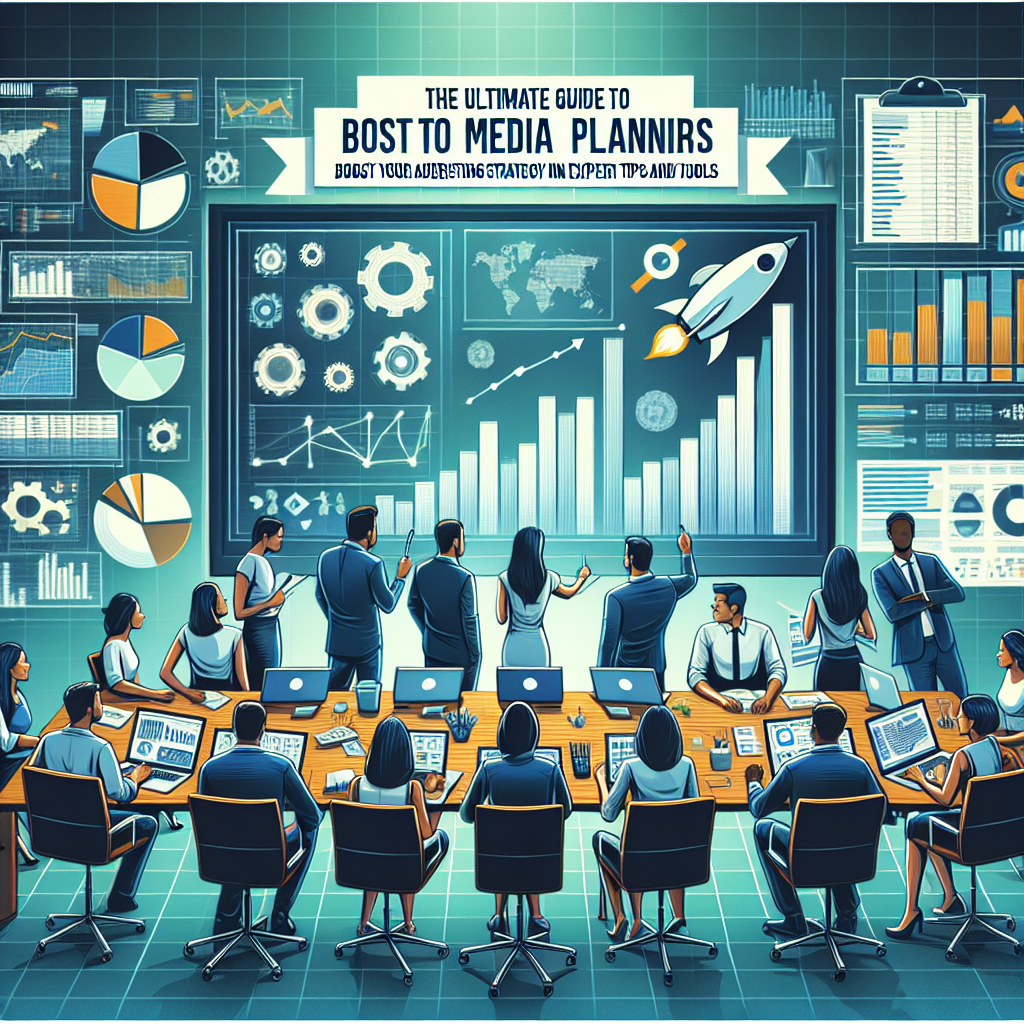
In today’s fast-paced digital world, media planning is a crucial component of any successful advertising strategy. With a multitude of platforms and advertising formats available, businesses need media planners to optimize their campaigns, ensuring maximum reach and engagement. This guide delves into the essentials of media planning, providing expert tips and tools to supercharge your advertising efforts.
Understanding Media Planning
Media planning is the process of determining the best combination of media channels to achieve a marketing campaign’s objectives. It involves selecting, purchasing, and optimizing media placements across different platforms to ensure that advertisements reach the targeted audience efficiently.
Effective media planning requires a comprehensive understanding of the target audience, the goals of the campaign, and the specifics of various advertising channels.
The Role of a Media Planner
The media planner plays a pivotal role in the advertising industry, working to maximize a company’s return on investment (ROI) through strategic media placements. Here are some key responsibilities of a media planner:
- Audience Analysis: Identifying and understanding the demographics, preferences, and media habits of the target audience.
- Budget Management: Allocating the advertising budget across various media channels to ensure the best possible outcomes.
- Channel Selection: Choosing the right mix of media channels, such as TV, radio, digital, and print, to deliver the campaign message effectively.
- Campaign Monitoring and Optimization: Continuously assessing campaign performance and making adjustments to enhance effectiveness.
Essential Tools for Media Planning
Modern media planners rely on a variety of tools to streamline the planning process and achieve optimal results. Here are some essential tools and platforms:
- Google Analytics: Provides valuable insights into audience behavior and campaign performance, helping planners make data-driven decisions.
- Media planning software: Tools like Mediaocean and Bionic help manage and automate the media buying process, from planning to execution.
- Social media analytics platforms: Tools like Hootsuite and Sprout Social help planners understand engagement metrics and optimize social media campaigns.
- Programmatic advertising platforms: DSPs like The Trade Desk enable automated media buying, optimizing targeting and cost-efficiency.
Expert Tips for Effective Media Planning
Boosting your advertising strategy with effective media planning requires a blend of creativity, data analysis, and strategic thinking. Here are some expert tips to enhance your media planning efforts:
- Set Clear Objectives: Define what success looks like for your campaign. Whether it’s brand awareness, lead generation, or sales, having clear goals will guide your media planning decisions.
- Know Your Audience: Conduct thorough market research to understand your audience’s behavior, preferences, and pain points.
- Diversify Your Channels: Avoid putting all your eggs in one basket. Use a mix of channels to reach your audience at different touchpoints.
- Leverage Data and Analytics: Use data to inform your media planning strategy, from understanding audience behavior to measuring campaign performance.
- Test and Tweak: Don’t be afraid to experiment with different strategies. Test various approaches, measure the results, and refine your strategy accordingly.
Measuring Success
After implementing your media plan, it’s crucial to measure its success to determine if your strategies need refinement. Tools and metrics to consider include:
- Reach and Frequency: Measure how many people see your ads and how often they see them.
- Engagement Metrics: Track likes, shares, and comments to gauge how well your content resonates with the audience.
- Conversion Rate: Analyze the percentage of viewers who take the desired action, such as making a purchase or signing up for a newsletter.
- Return on Investment (ROI): Calculate the revenue generated from the campaign relative to its cost to assess overall effectiveness.
In conclusion, effective media planning is vital for creating impactful advertising campaigns. By understanding your audience, selecting the right channels, leveraging essential tools, and continuously optimizing your strategy, you can boost your advertising efforts and achieve your marketing goals.