
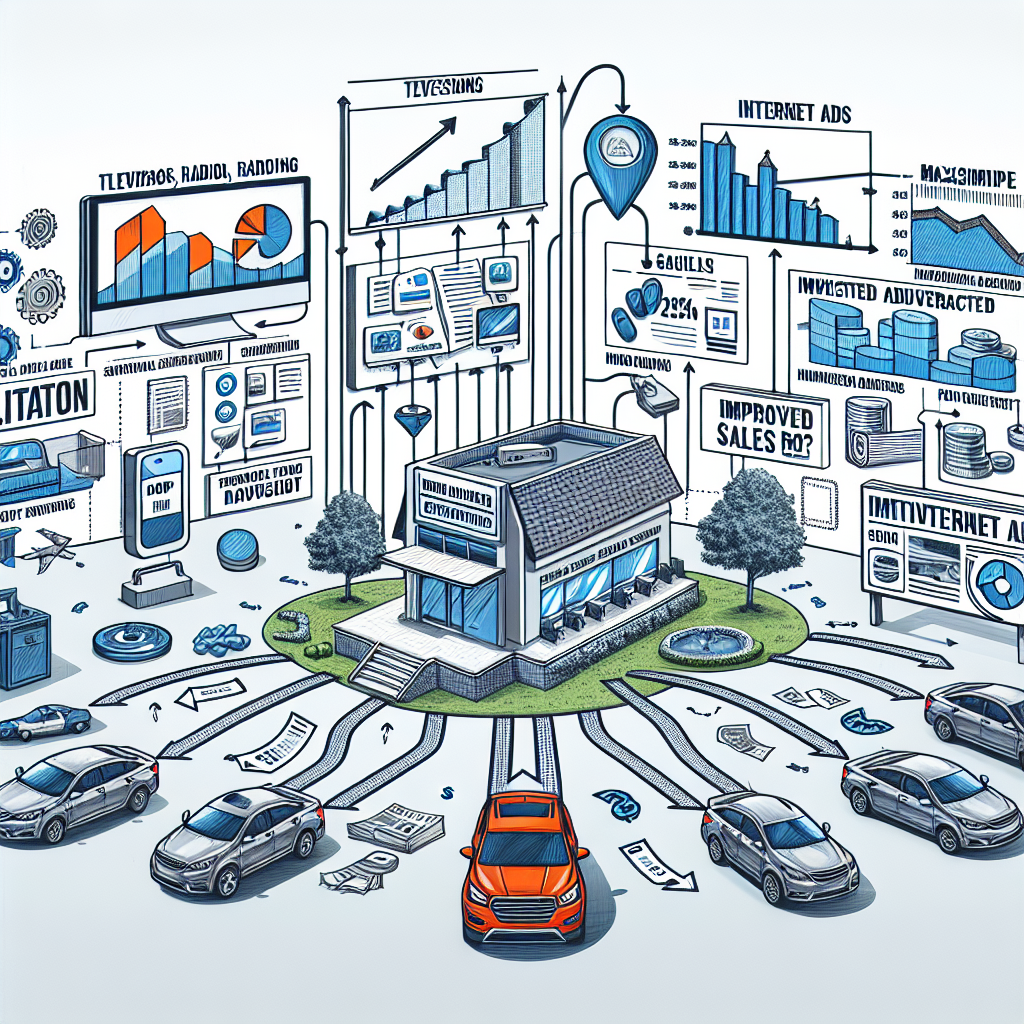
For auto dealerships striving to stay competitive in today’s fast-paced market, effective media buying strategies can dramatically boost sales and increase return on investment (ROI). Understanding how to harness the power of targeted advertising can transform a dealership’s marketing efforts. This article delves into effective media buying strategies specifically tailored for auto dealerships, aiming to maximize their advertising efficiency and drive significant business growth.
Introduction to Media Buying
Media buying is a crucial component of modern advertising strategies, encompassing the acquisition of advertising space and time on various platforms. For auto dealerships, media buying is about strategically placing ads where potential car buyers are most likely to see them. This includes traditional media channels like television and radio, as well as digital platforms such as social media and search engines. The objective is to reach the right audience at the right time while optimizing advertising spend.
Understanding the Auto Dealership Market
To effectively buy media for auto dealerships, it’s vital to grasp the intricacies of the automotive market. Auto buyers are becoming increasingly digital-savvy, often starting their purchasing journey online. Hence, a blend of traditional and digital media can be instrumental in reaching a diverse audience. Knowing the demographics, purchasing behaviors, and preferences of potential customers is key to tailoring advertising messages that resonate.
Key Media Buying Strategies
- Define Your Audience: Establishing clear buyer personas by analyzing past sales data and market trends will help in targeting the right segments.
- Leverage Data Analytics: Utilize analytics tools to identify which platforms and media types yield the highest engagement and conversion rates.
- Diversify Ad Spend: Distribute your media budget across varied platforms such as TV, radio, online search, and social media to increase reach and impact.
- Use Programmatic Advertising: Implement programmatic buying to automate ad placement using algorithms to ensure cost-effectiveness and precision in targeting potential buyers.
- Seasonal Campaigns: Consider seasonal buying patterns and adjust ad campaigns accordingly to optimize visibility and relevance.
ROI Maximization through Targeted Advertising
Targeted advertising is about utilizing data to home in on potential buyers with precision. This involves segmenting audiences based on factors like geography, online behavior, and demographics.
- Utilize Behavioral Targeting: Analyze customer behavior to serve ads that match their interests and past interactions.
- Employ Geo-targeting Techniques: Focus on local audiences to drive in-store visits and personalize online ad messages.
- Use Retargeting Strategies: Re-engage potential customers who have previously shown interest in your offerings with tailored messaging.
By doing so, dealerships can enhance their ROI by ensuring their marketing dollars are spent on the most promising leads.
Measuring and Optimizing Campaign Performance
To enhance the effectiveness of media buying strategies, auto dealerships must constantly measure and optimize their campaign performance. Here are essential steps:
- Use Analytics Tools: Employ tools like Google Analytics to track metrics such as click-through rates and conversion rates.
- Monitor KPIs: Keep an eye on key performance indicators to understand which strategies deliver the best results.
- Regular Adjustment: Be prepared to tweak campaigns based on data insights to improve efficiency constantly.
Conclusion
Effective media buying for auto dealerships is about smart, data-driven decisions that maximize exposure and drive sales. By understanding the market, implementing specific strategies, and consistently optimizing performance, dealerships can ensure their advertising investments yield substantial returns. In an ever-evolving digital landscape, it’s not just about reaching a broad audience, but reaching the right audience, making every advertising dollar count.