
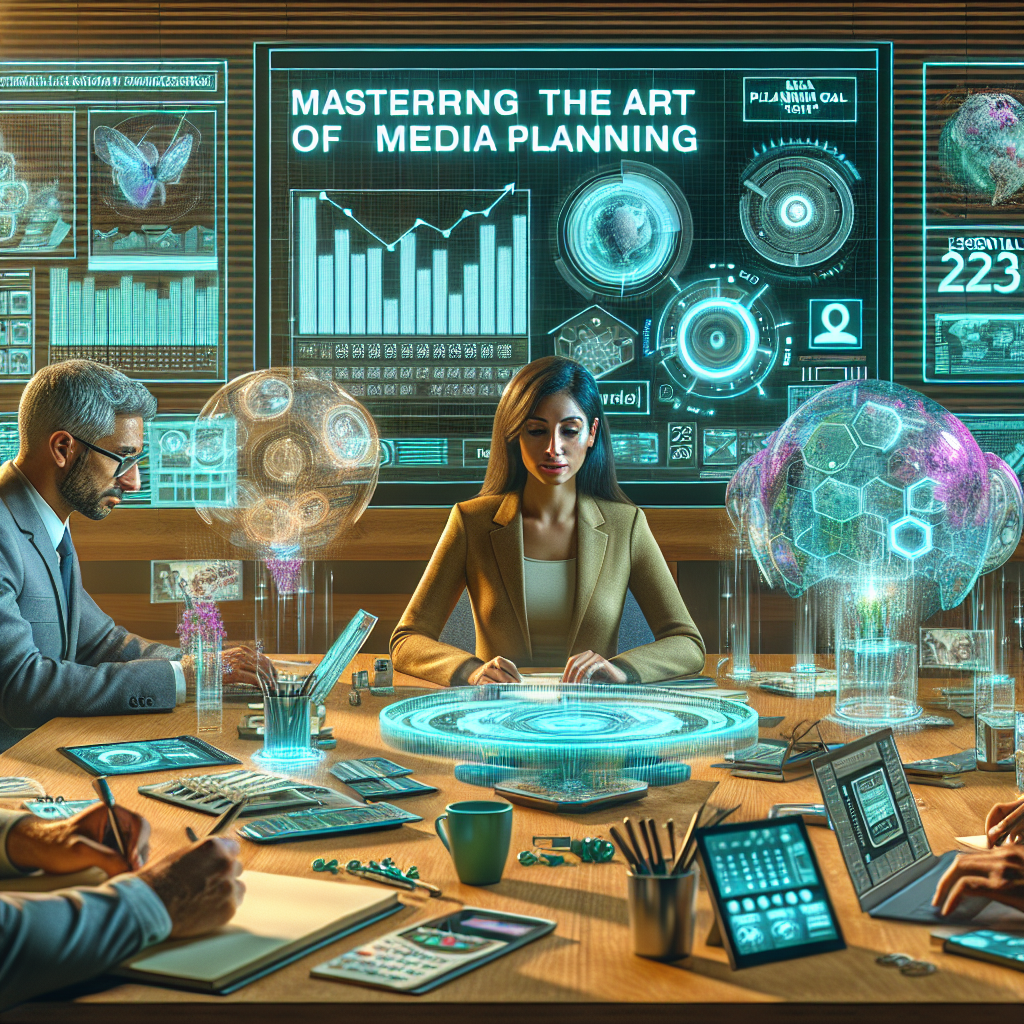
In today’s dynamic landscape of media buying, mastering the art of media planning is crucial for any business aiming to effectively reach its audience. As 2023 unfolds, media planners are required to be more strategic and innovative than ever before. With a plethora of channels and platforms to choose from, the task can be overwhelming. However, with the right strategies and tools, media planners can navigate this complex environment successfully and drive impactful results. This article delves into the core strategies and tools essential for becoming an adept media planner in 2023.
Understanding Media Planning
At its core, media planning involves selecting the right combination of media channels to achieve a brand’s marketing goals. It is about being strategic and data-driven, making sure that every dollar spent delivers optimal engagement. Media planners must balance between traditional and digital media to fully exploit each platform’s strengths. In 2023, the focus is increasingly on omnichannel approaches, which integrate various marketing channels to ensure a seamless customer journey. Understanding demographics, consumer behavior, and technological trends is pivotal in crafting effective plans.
Essential Strategies for Successful Media Planning
To excel in media planning, media planners need a set of well-defined strategies. Here are some essential tactics:
- Define Clear Objectives: Establish precise and measurable objectives. Whether it’s brand awareness, lead generation, or sales conversion, knowing what success looks like is fundamental.
- Know Your Audience: Deeply understand your target audience. Utilize data analytics to segment and personalize messaging effectively.
- Leverage Data and Analytics: Make data the cornerstone of your planning. Use insights from past campaigns and predictive analytics to guide decisions.
- Optimize Budget Allocation: Allocate resources effectively by identifying high-performing channels. Balance between high-cost, high-reach media and more niche channels.
- Incorporate Mixed Media: Blend traditional and digital media channels to maximize reach and engagement. Explore emerging platforms like podcasts and OTT (over-the-top media services).
- Ensure Flexibility and Adaptation: Be prepared to tweak your plans based on real-time feedback and emerging trends in consumer behavior.
Must-Have Tools for Media Planners in 2023
With technology playing an integral role in media planning, having the right tools can significantly enhance efficiency and effectiveness. Here are some indispensable tools:
- Audience Insight Platforms: Tools like Nielsen or Comscore provide comprehensive audience insights, crucial for strategic targeting.
- DSPs (Demand-Side Platforms): Utilize platforms like Adobe Advertising Cloud or The Trade Desk to automate and optimize your digital ad campaigns.
- Social Media Management Tools: Hootsuite and Buffer offer robust analytics and scheduling capabilities to streamline social media campaigns.
- Analytics and Reporting Software: Google Analytics and Tableau provide metrics and visualizations necessary for data-driven decision making.
- Collaborative Tools: Use tools like Trello or Asana to ensure efficient project management and collaboration within teams.
How to Measure Success in Media Planning
Measurement is a crucial component of media planning. Without proper analytics, the effectiveness of a campaign remains uncertain. Here are some key metrics:
- ROI (Return on Investment): Evaluate the financial return on media investments compared to the cost of the media planning efforts.
- Engagement Rates: Track clicks, shares, and comments to gauge audience interaction with your media content.
- Reach and Frequency: Measure how many people were exposed to the campaign and how often they encountered it.
- Conversion Rates: Determine the percentage of users who take a desired action, such as making a purchase or signing up for a newsletter.
- Brand Lift: Identify changes in brand perception and purchase intent before and after exposure to advertising.
Conclusion
Mastering the art of media planning in 2023 requires a blend of strategic insight, technological prowess, and adaptability. By understanding core principles and leveraging cutting-edge tools, media planners can craft campaigns that not only capture attention but also drive meaningful outcomes. In the rapidly evolving media landscape, staying ahead means seamlessly integrating traditional and digital strategies, always guided by data. As the year progresses, those who prioritize innovation, agility, and audience understanding will definitely emerge as industry leaders. Remember, effective media planning is not just about reaching an audience—it’s about engaging them meaningfully.