
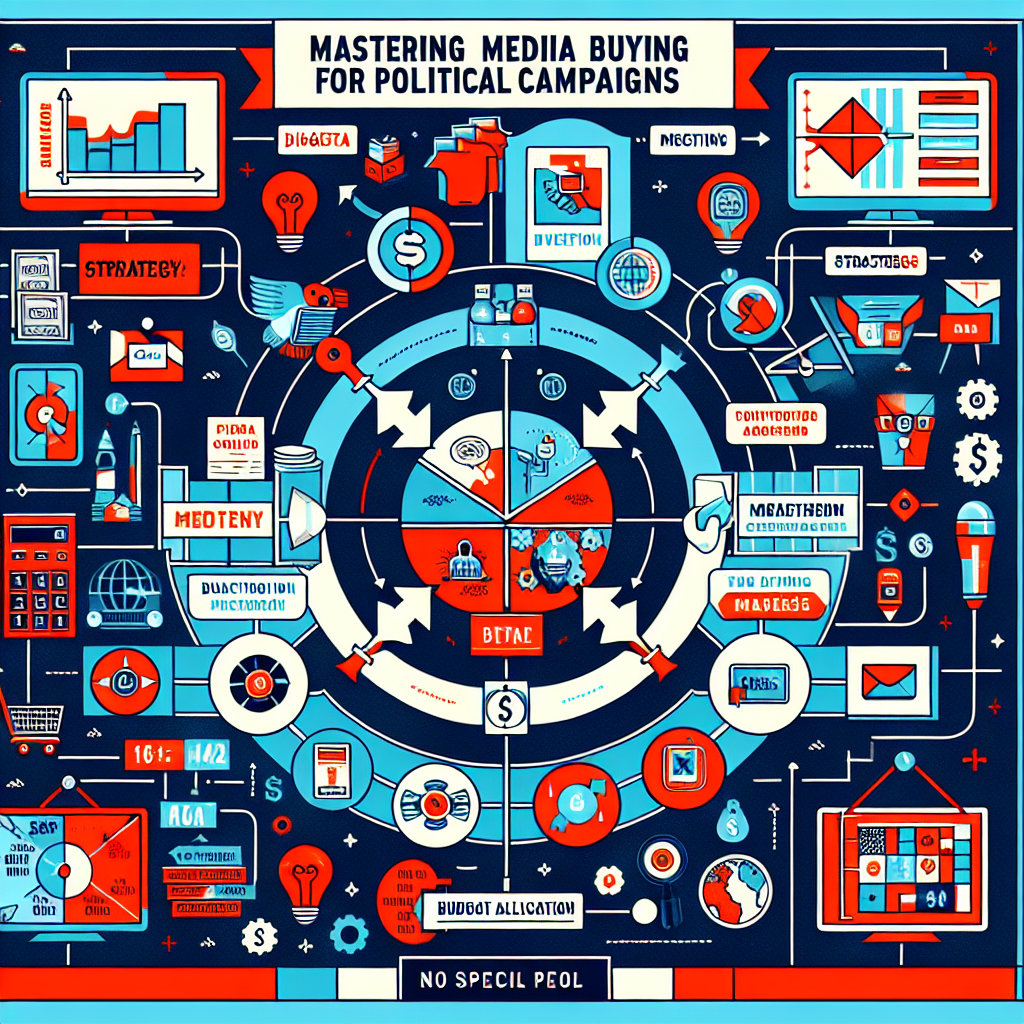
In today’s fast-paced political landscape, effective media buying is essential for running successful political campaigns. Whether you are managing a local election or a national campaign, understanding the intricacies of media buying can dramatically influence the effectiveness of your advertising strategy. This guide delves into essential strategies, tips, and best practices that will help you master media buying for political campaigns, ensuring your message resonates with voters and captures their attention.
Understanding Media Buying
Media buying refers to the procurement of advertising space across various media channels. For political campaigns, it is crucial to identify where your target audience spends their time, whether it’s on television, radio, or digital platforms. Optimization of media spend ensures that your campaign reaches a broad audience while staying within budget constraints.
- Traditional Media: Includes channels like TV, radio, and print. Despite the rise of digital, traditional media remains effective for reaching older demographics.
- Digital Media: Encompasses internet-based platforms such as social media, websites, and streaming services. It offers precise targeting and real-time analytics.
Developing Effective Media Buying Strategies
Creating a winning media buying strategy involves data-driven decision-making and understanding the nuances of your voter population.
- Define Your Objectives: Determine what your campaign hopes to achieve. Are you building awareness, mobilizing support, or countering opposition messages?
- Identify Target Audience: Use demographics, psychographics, and voter registration data to segment your audience. Target specific groups with tailored messages.
- Budget Allocation: Allocate funds efficiently across channels to optimize reach and frequency. Consider factors like media costs, desired frequency of ads, and available budget.
Best Practices and Tips
Adopting best practices in media buying can vastly enhance the efficiency and impact of your political campaign.
- Leverage Data Analytics: Utilize analytics tools to track ad performance and optimize future ad placements. Understanding viewer engagement will refine your strategy.
- Seasonal Timing: Plan ad buys according to the election cycle. Peak buying times might be more costly but are essential for maximum impact.
- Create Compelling Content: Your ads should have clear, concise, and persuasive messages. Use strong visuals and calls to action tailored to your audience.
Measuring Success
Effective media buying involves constant monitoring and adjustment of your strategies. Establish key performance indicators (KPIs) that align with your campaign objectives.
- Reach and Frequency: Analyze how many people saw your ad and how often. This helps to balance awareness and ad fatigue.
- Engagement Metrics: On digital platforms, monitor likes, shares, and comments. On traditional media, conduct polls to gauge viewer reception.
- Return on Investment (ROI): Calculate the financial return of your media spend. High ROI indicates that your strategy is effectively converting voters.
Conclusion
Mastering media buying for political campaigns involves understanding your audience, developing robust strategies, and continuously analyzing campaign performance. By leveraging data insights and focusing on precise targeting, you can ensure that your political message effectively reaches and resonates with voters. Stay proactive in monitoring campaign metrics to refine your approach, just as the political landscape and voter preferences evolve.