
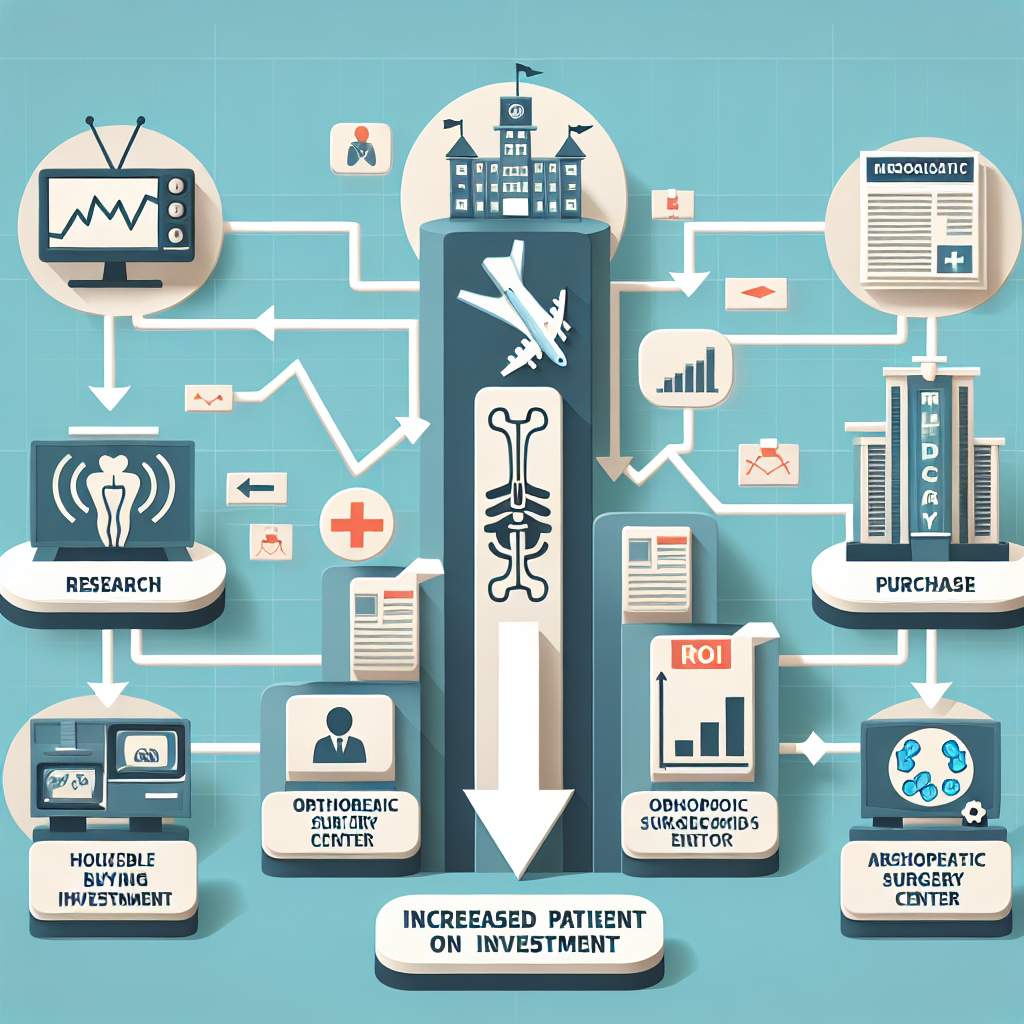
Orthopedic surgery centers are in constant pursuit of innovative strategies to enhance patient acquisition and boost their return on marketing investment. As the healthcare sector becomes increasingly competitive, leveraging effective media buying strategies can provide a distinct advantage. By strategically planning and purchasing advertising space across various platforms, orthopedic surgery centers can maximize their visibility and attract new patients while optimizing their marketing expenditures. In this article, we will explore effective media buying strategies that orthopedic surgery centers can implement to enhance patient acquisition and increase their marketing ROI.
- Understanding Media Buying
- Importance of an Effective Strategy
- Steps to Effective Media Buying
- Tools and Technologies
- Measuring Success
- Conclusion
Understanding Media Buying
Media buying involves purchasing advertising space across various platforms to promote services and attract potential patients. For orthopedic surgery centers, this means identifying the right channels where potential patients spend their time—be it online or offline—and investing in those spaces. Whatever the chosen medium, the primary aim is to reach the target audience with compelling messages that drive them to take action, such as booking consultations or attending informational seminars.
Importance of an Effective Strategy
An effective media buying strategy is essential for maximizing the impact of marketing efforts and ensuring that the advertising spend results in measurable returns. Here’s why an effective strategy is crucial:
- Target Precision: A well-crafted strategy enables precise targeting, ensuring that ads reach individuals most likely to be interested in orthopedic services.
- Budget Optimization: Strategic planning helps in allocating the budget more effectively across channels, thus preventing overspending.
- Enhanced Engagement: Targeted messaging improves engagement levels, as content is tailored to resonate with specific audiences.
- Increased ROI: With accurate targeting and compelling messaging, centers can see significant improvements in their return on investment.
Steps to Effective Media Buying
To create a robust media buying strategy, orthopedic surgery centers should follow a systematic approach. Here are key steps involved:
- Define Clear Objectives: Establish what you aim to achieve, whether it’s increasing patient inquiries, boosting website traffic, or enhancing brand awareness. Clear objectives guide all subsequent media buying decisions.
- Identify Your Audience: Gain an in-depth understanding of your target demographic, including age, interests, and preferred media channels. This knowledge ensures that your messages are seen by those most likely to benefit from your services.
- Research Media Channels: Determine which media channels your audience frequents. This could include digital platforms like social media and search engines or traditional mediums such as radio and print.
- Create Compelling Content: Develop engaging and persuasive content that aligns with the interests and needs of your audience. Tailored content increases the likelihood of engagement and conversion.
- Allocate Budget Strategically: Based on your research, allocate budget across chosen channels efficiently. Consider the cost-per-acquisition and potential ROI each channel offers.
- Negotiate and Purchase: Collaborate with media vendors to negotiate favorable rates and secure prime advertising spots. Building good relationships with vendors can lead to better deals and value additions.
- Monitor and Optimize: Constantly evaluate the performance of your ads. Use metrics like click-through rates and conversion rates to optimize and adjust strategies in real-time.
Tools and Technologies
Incorporating the right tools and technologies is critical in executing an effective media buying strategy. Here’s what you can utilize:
- Analytics Tools: Use platforms like Google Analytics to track web traffic and user behavior.
- Programmatic Advertising: Leverage automated buying solutions for more efficient and targeted ad placements.
- Social Media Advertising Platforms: Utilize Facebook Ads, LinkedIn Ads, and other platforms for targeted campaigns.
- Customer Relationship Management (CRM) Systems: Implement CRM systems to manage patient interactions and streamline communications.
Measuring Success
Evaluating the success of media buying efforts is crucial for ongoing optimization and achieving long-term marketing goals. Key performance indicators (KPIs) to measure include:
- Patient Acquisition Rates: Track the number of new patients attracted through marketing campaigns.
- Conversion Rates: Evaluate how many leads are converting into actual appointments or consultations.
- Return on Ad Spend (ROAS): Calculate the revenue generated from advertising efforts relative to the spending.
- Brand Awareness Metrics: Measure changes in awareness and perceptions through surveys and social media engagement.
Regular analysis helps in refining strategies, ensuring that marketing efforts remain aligned with business objectives.
Conclusion
In the ever-evolving healthcare landscape, orthopedic surgery centers must adopt strategic media buying practices to stay competitive. Integrating comprehensive research, clear objectives, and the latest technologies can significantly enhance patient acquisition efforts and improve marketing ROI. With a commitment to ongoing evaluation and optimization, surgery centers can ensure that their media buying strategies yield maximum returns and drive sustained business growth. By staying informed and adaptable, orthopedic surgery centers can successfully navigate the complexities of media buying and achieve enduring success.