
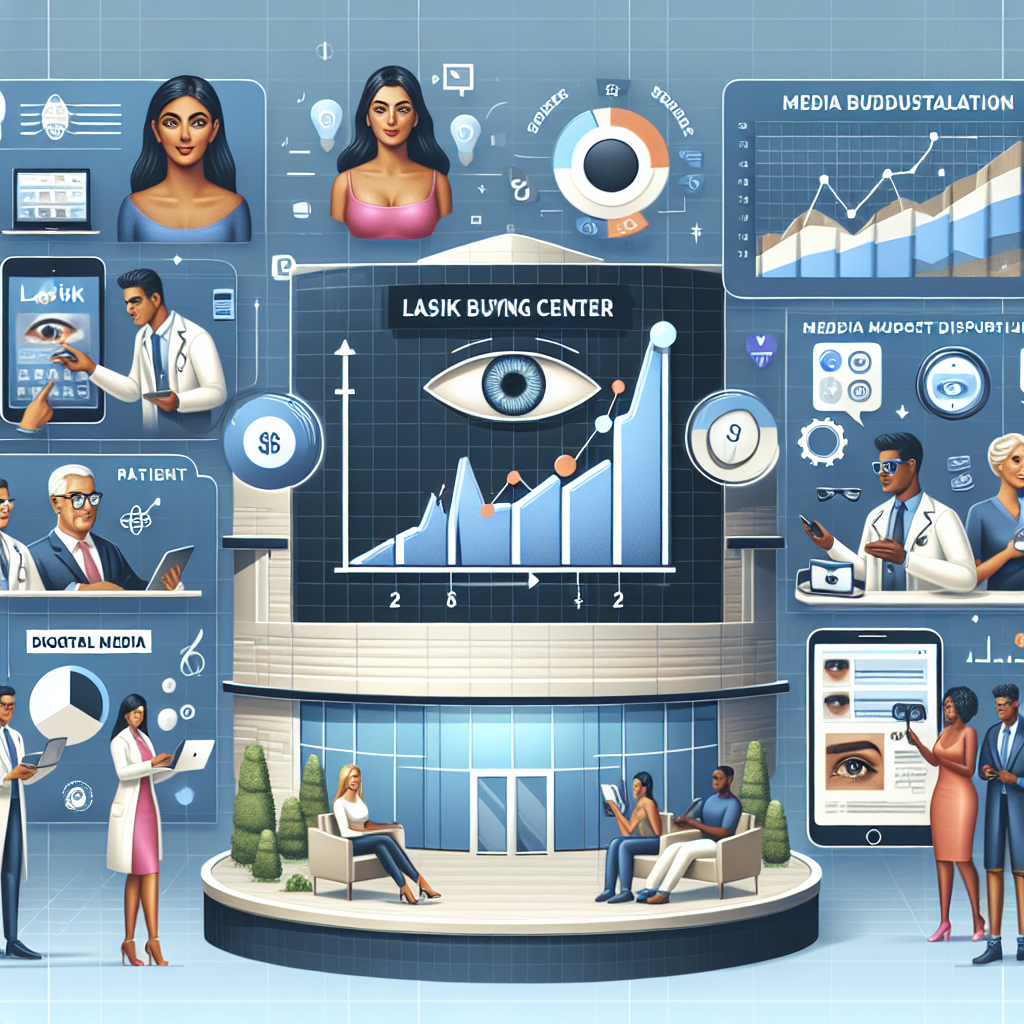
In the competitive landscape of LASIK centers, attracting new patients while engaging existing ones is crucial to business growth. As LASIK surgery becomes more mainstream, centers must continuously enhance their marketing strategies to stand out and achieve their goals. Effective media buying—the acquisition of advertising space on digital or traditional platforms—emerges as a pivotal strategy to boost patient engagement and maximize return on investment (ROI). This article delves into effective media buying strategies tailored for LASIK centers.
- Introduction
- Understanding Media Buying
- Tailoring Media Buying for LASIK Centers
- Strategies for Effective Media Buying
- Measuring ROI on Media Investments
- Conclusion
Introduction
The world of marketing is ever-evolving, and LASIK centers must adapt to thrive amidst diverse challenges and opportunities. With the increasing popularity of LASIK procedures, centers face the dual challenge of standing out in a crowded market and effectively reaching potential patients. This is where media buying strategies come into play, offering a structured approach to leveraging advertising for patient engagement and ROI optimization.
Understanding Media Buying
To harness the full potential of media buying, LASIK centers should first understand its fundamentals. Media buying is more than just purchasing ad space; it’s a strategic process that involves:
- Planning: Identifying target audiences and setting clear marketing objectives.
- Negotiation: Securing the best possible rates and placements on chosen platforms.
- Optimization: Continuously monitoring and adjusting campaigns for peak performance.
Having a robust media buying strategy ensures that your marketing dollars are spent effectively, reaching the right audience at the right time.
Tailoring Media Buying for LASIK Centers
Adapting media buying strategies specifically for LASIK centers involves understanding the unique needs and behaviors of potential LASIK patients. This requires:
- Demographic Research: Identify key demographics interested in LASIK, such as age, location, and income level.
- Patient Journey Mapping: Understand the typical patient journey from initial inquiry to procedure, tailoring ads to different stages.
- Ad Content Customization: Develop ads that address common patient concerns and emphasize the benefits of LASIK.
Strategies for Effective Media Buying
Implementing effective media buying strategies can significantly enhance patient engagement and ROI. Here are some strategies LASIK centers should consider:
- Multi-Platform Approach: Use a combination of digital (Google Ads, Facebook, Instagram) and traditional media (radio, print) to broaden reach.
- Localized Targeting: Focus on geo-targeted ads to capture local patient interest. Leveraging local SEO and geo-specific keywords can enhance effectiveness.
- Data-Driven Decisions: Utilize analytics tools to gain insights into ad performance, adjusting strategies for improved results.
- Retargeting Campaigns: Retargeting helps convert interested users who previously visited the website but didn’t take action.
Measuring ROI on Media Investments
Assessing the impact of media buying efforts is essential for refining strategies and ensuring sustainable growth. LASIK centers can measure ROI by:
- Tracking Key Metrics: Monitor metrics such as conversion rates, cost per acquisition (CPA), and patient retention rates.
- Analyzing Patient Feedback: Gather feedback from consultations and procedures to gauge patient satisfaction and improve service delivery.
- Regular Reviews: Conduct periodic reviews of media buying campaigns to understand what works and what doesn’t, enabling informed decision-making.
Conclusion
In conclusion, effective media buying is indispensable for LASIK centers striving to enhance patient engagement and maximize ROI. By understanding the nuances of media buying and implementing tailored strategies, centers can build a robust presence in the market, attract the right patients, and ensure the sustainability of their practice. As the LASIK industry continues to evolve, staying attuned to media buying trends and continuously optimizing strategies will be key to maintaining a competitive edge.