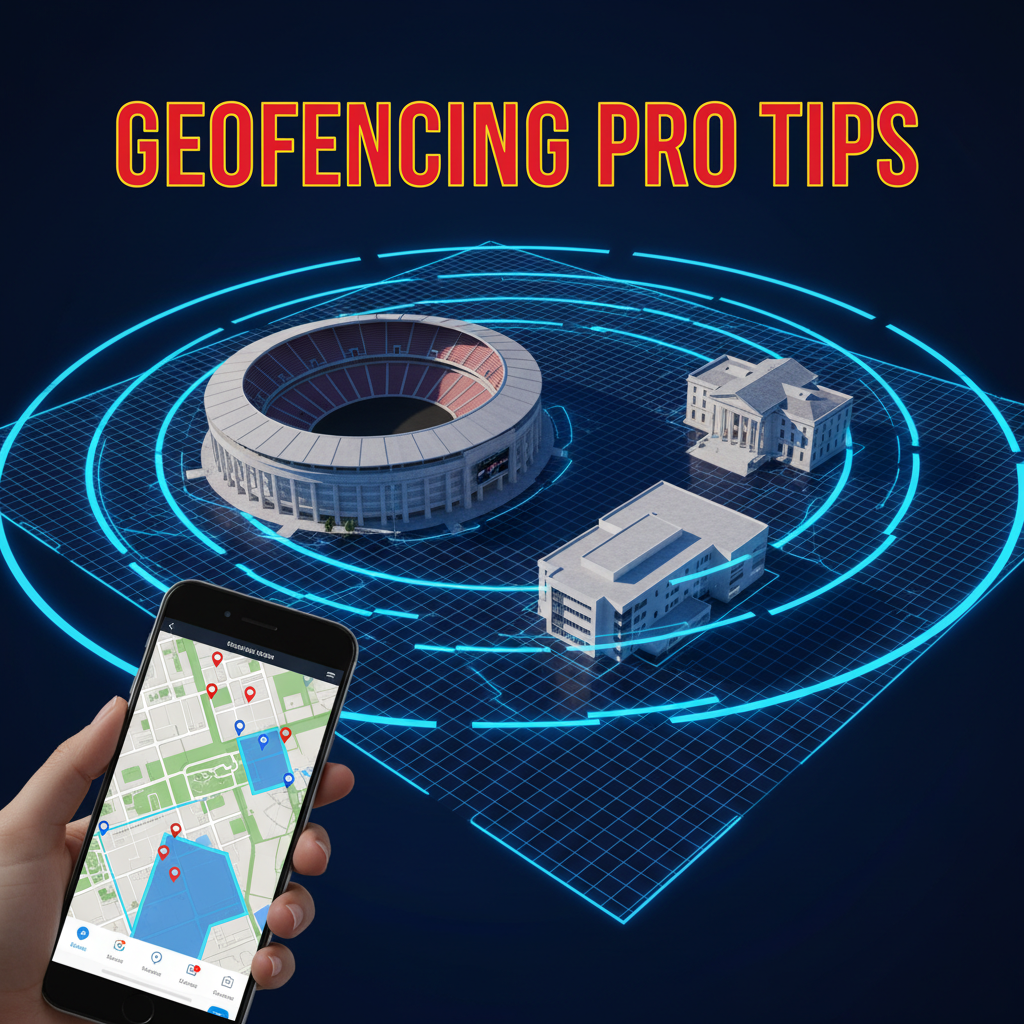
In today’s hyper-competitive digital advertising landscape, geofencing has emerged as one of the most powerful location-based marketing tools available to media buyers and advertisers. Whether you’re targeting sports fans leaving a stadium, patients visiting a medical clinic, or individuals attending court proceedings, geofencing allows you to reach highly specific audiences based on their real-world physical location. This article dives deep into the strategy of geofencing stadiums, clinics, and courthouses — three unique venue types that offer extraordinary targeting opportunities — and provides five proven tips to help you maximize your campaigns, boost conversions, and get the most out of your media buying budget.
Article Outline
- What Is Geofencing and Why Does It Matter in Media Buying?
- Why Target Stadiums, Clinics, and Courthouses?
- Tip 1: Define Precise Geofence Boundaries for Maximum Relevance
- Tip 2: Use Audience Segmentation to Deliver Personalized Messaging
- Tip 3: Leverage Geofencing Retargeting for Extended Campaign Reach
- Tip 4: Time Your Geofencing Campaigns Strategically
- Tip 5: Measure and Optimize with the Right KPIs
- Compliance and Privacy Considerations in Geofencing
- Top Geofencing Platforms and Tools for Media Buyers
- Conclusion: Building a Smarter Geofencing Strategy
What Is Geofencing and Why Does It Matter in Media Buying?
Geofencing is a location-based digital marketing technology that creates a virtual boundary — called a “geofence” — around a specific geographic area. When a mobile device enters or exits that boundary, it can trigger a digital action, such as displaying a targeted advertisement, sending a push notification, or logging the user for retargeting purposes.
From a media buying perspective, geofencing is revolutionary. It allows advertisers to move beyond demographic or behavioral data and target audiences based on where they physically are — or where they have been. This brings an unprecedented level of precision and relevance to your advertising campaigns.
Geofencing uses technologies like GPS, Wi-Fi signals, cellular data, and Bluetooth beacons to detect when a user enters a predefined zone. Once detected, the system can serve ads directly to that user’s mobile device through apps and mobile browsers in real time or shortly after the visit.
For media buyers, this means you can reach people when their intent is highest — when they are physically present in environments that directly relate to your product or service offering. This is what makes geofencing such a game-changing tool in the modern media buying playbook.
Why Target Stadiums, Clinics, and Courthouses?
Not all geofencing targets are created equal. While many advertisers geofence retail stores and competitor locations, some of the most lucrative and underutilized targeting opportunities exist around stadiums, medical clinics, and courthouses. Each of these venue types attracts a concentrated, highly specific audience that is valuable to many industries.
Stadiums: Captive Audiences with High Spending Power
Sports stadiums attract tens of thousands of fans at a time. These audiences tend to be passionate, brand-loyal, and often have significant disposable income. Advertisers in industries like food and beverage, sports apparel, automotive, entertainment, and travel can all benefit enormously from geofencing stadium locations.
Beyond game-day audiences, stadiums also host concerts, conventions, and corporate events — expanding the potential audience pool even further. Stadium geofencing can also be used to target people who attend events at competing venues, giving you a competitive edge in local advertising.
Clinics: Reaching Health-Conscious Consumers
Medical clinics — including urgent care centers, specialty clinics, dental offices, chiropractic offices, and physical therapy centers — attract individuals who are actively thinking about their health and well-being. This makes them ideal geofencing targets for pharmaceutical companies, health insurance providers, wellness brands, and medical device companies.
When someone visits a clinic, they are in a mindset that is highly receptive to health-related messaging. Serving ads to them during or after their visit can produce dramatically higher engagement rates compared to broad demographic targeting. – Exploring Regulatory Shifts in Online Advertising
Courthouses: Niche but Highly Valuable Audiences
Courthouses attract a very specific audience: attorneys, defendants, plaintiffs, witnesses, jurors, and legal professionals. For industries like legal services, bail bonds, financial planning, counseling services, and even transportation apps, courthouse geofencing can deliver incredibly targeted and relevant leads.
Legal service providers, in particular, can use courthouse geofencing to reach people who are actively involved in legal proceedings — individuals who may desperately need legal representation, financial advice, or support services. The intent level in this environment is extremely high, making it one of the most valuable geofencing opportunities for law firms and related businesses.
Tip 1: Define Precise Geofence Boundaries for Maximum Relevance
One of the most common mistakes in geofencing campaigns is drawing boundaries that are too broad. If your geofence extends too far beyond the actual venue, you risk serving ads to people who happen to be in the general neighborhood rather than those who are genuinely at the location. (Learn more about geofencing)
The ideal geofence radius for most venues is between 500 feet and 1 mile, depending on the size and layout of the location. For large stadiums with massive parking lots, a slightly larger radius may be appropriate. For small medical clinics or courthouses, a tighter boundary of 200 to 300 feet may be more effective.
Best Practices for Setting Geofence Boundaries
- Use satellite mapping tools to trace the exact perimeter of the venue rather than relying on a simple radius circle.
- Include parking areas and public transit stops that service the venue, as audience members spend significant time in these zones.
- Exclude nearby roads and highways where users may be passing through without any genuine connection to the venue.
- Test multiple boundary configurations and compare performance data to identify the optimal geofence shape and size.
- Consider creating multiple nested geofences — a tighter inner fence for people directly at the venue, and a broader outer fence for the surrounding area — and tailor your messaging to each zone.
Precision is the cornerstone of effective geofencing. The more accurately you define your boundaries, the more relevant your audience will be, and the better your campaign results will look.
Tip 2: Use Audience Segmentation to Deliver Personalized Messaging
Not everyone who visits a stadium, clinic, or courthouse has the same needs or mindset. Effective geofencing campaigns account for this variation by segmenting audiences and tailoring ad creative accordingly.
Audience segmentation in geofencing can be based on a variety of factors, including the time of their visit, how often they have visited a specific location, their behavior after leaving the venue, and demographic data layered on top of location data.
Segmentation Strategies by Venue Type
- Stadiums: Segment by event type (sports game vs. concert), frequency of attendance (first-time visitor vs. season ticket holder), and team or artist affiliation. A fan attending every home game is a very different audience than a one-time concert-goer.
- Clinics: Segment by clinic type (dental, orthopedic, urgent care, etc.) to ensure your messaging aligns with the likely health concern of the visitor. A person leaving a dental office is a better target for dental insurance ads than for orthopedic surgery promotions.
- Courthouses: Segment by courthouse type (criminal court, family court, civil court) if your geofencing platform allows for it, or use behavioral and demographic overlays to refine your audience further.
Personalization Tips for Geofencing Ads
- Use dynamic ad creative that changes messaging based on which segment the user belongs to.
- Incorporate location-specific language in your ad copy, such as referencing the stadium name or neighborhood.
- Align your call to action (CTA) with the user’s likely immediate need — for example, “Schedule a free consultation today” for legal ads served near courthouses.
- Test multiple ad variations across segments to identify the highest-performing creative for each audience group.
Personalized messaging dramatically increases the relevance of your ads, which leads to higher click-through rates (CTR), lower cost-per-click (CPC), and ultimately better return on ad spend (ROAS).
Tip 3: Leverage Geofencing Retargeting for Extended Campaign Reach
Geofencing retargeting — sometimes called “geo-retargeting” or “visit retargeting” — is one of the most powerful features of modern geofencing technology. Instead of only serving ads to users while they are physically inside the geofence, retargeting allows you to continue serving ads to those same users for days or even weeks after their visit. – Autumn Advertising Strategies for 2024
This extended reach is enormously valuable because most purchasing decisions — whether it’s choosing a healthcare provider, a legal representative, or a sports merchandise brand — are not made instantly. Consumers need multiple touchpoints before converting, and retargeting ensures your brand stays top of mind throughout their decision-making journey.
How to Build an Effective Geofencing Retargeting Strategy
- Set an appropriate retargeting window. For high-consideration purchases like legal services or medical procedures, a retargeting window of 30 to 90 days is often appropriate. For lower-consideration products like sports merchandise, 7 to 14 days may be sufficient.
- Create a retargeting ad sequence. Don’t serve the same ad repeatedly. Build a sequence of ads that moves the user through the funnel — from awareness to consideration to conversion.
- Use frequency capping to prevent ad fatigue. Serving the same ad too many times to the same user will cause annoyance rather than conversion.
- Layer retargeting with behavioral data to further refine your audience. For example, target users who visited a courthouse AND have previously visited a law firm’s website.
- Combine geofencing retargeting with social media retargeting on platforms like Facebook and Instagram for a truly omnichannel approach.
Geo-retargeting bridges the gap between the physical world and the digital advertising ecosystem, ensuring that your investment in location-based targeting continues to pay dividends long after the initial impression.
Tip 4: Time Your Geofencing Campaigns Strategically
Timing is everything in advertising, and this is especially true for geofencing. The effectiveness of a geofencing campaign at a stadium, clinic, or courthouse can vary dramatically depending on when you activate your geofence and serve your ads. (Learn more about geofencing)
Stadium Timing Strategies
- Pre-event: Activate geofences 2 to 3 hours before game time to capture early arrivals and tailgaters. These users are in a high-energy, social mindset — perfect for brand awareness campaigns.
- During the event: Keep geofences active during games or concerts to capture the full audience at peak attendance. In-app ads and mobile browser ads work particularly well during this period.
- Post-event: Some of the best conversion opportunities come in the hours after an event, when fans are reflecting on their experience and are highly receptive to merchandise, subscription, or ticket purchase offers.
Clinic Timing Strategies
- Focus geofencing efforts during regular business hours when clinics are open and patient volume is highest.
- Consider activating geofences during flu season, open enrollment periods, or other health-related calendar events to align your messaging with increased consumer health awareness.
- For dental clinics and elective care facilities, targeting on weekdays when appointments are most frequent typically outperforms weekend targeting.
Courthouse Timing Strategies
- Courthouses are typically busiest on weekday mornings, when hearings and arraignments are most frequently scheduled.
- Avoid weekends and holidays when courthouse activity is minimal.
- For criminal court locations, Monday mornings often see a spike in activity following weekend arrests, making it a particularly valuable time for bail bond advertisers and criminal defense attorneys.
By aligning your geofencing schedule with real-world patterns of activity at each venue type, you can ensure your ads are served when audience intent and engagement are at their highest levels.
Tip 5: Measure and Optimize with the Right KPIs
A geofencing campaign that isn’t carefully measured is a campaign that cannot be improved. One of the biggest advantages of digital advertising — including geofencing — is the ability to track performance in real time and make data-driven optimizations. However, you need to be measuring the right metrics to truly understand whether your campaign is working.
Key Geofencing Metrics to Track
- Foot Traffic Attribution: This is the gold standard for geofencing measurement. It tracks how many users who were served an ad within your geofence actually visited your physical location afterward. Many geofencing platforms offer foot traffic attribution reporting built in.
- Click-Through Rate (CTR): Measures the percentage of users who clicked on your ad. While CTR alone doesn’t tell the whole story, it’s a useful indicator of ad relevance and creative effectiveness.
- Visit Rate: The percentage of users who entered your geofence and subsequently visited your business location. This differs from foot traffic attribution in that it focuses on users who were inside the geofence rather than those who saw an ad.
- Cost Per Visit (CPV): Divides your total campaign spend by the number of verified store visits generated. This is one of the most meaningful ROI metrics for geofencing campaigns focused on driving in-person business.
- Conversion Rate: Tracks the percentage of geofenced users who completed a desired action — whether that’s filling out a contact form, making a purchase, or calling your business.
- Audience Insights: Review data on which segments, locations, and times of day are driving the best performance, and use these insights to refine future campaigns.
Ongoing Optimization Tactics
- Run A/B tests on ad creative — test different headlines, images, CTAs, and offers to identify the highest-performing combinations.
- Adjust your geofence boundaries based on performance data. If a specific area within your fence is underperforming, tighten or reshape the boundary.
- Review and refine your audience segments based on which groups are generating the best engagement and conversion rates.
- Use dayparting — scheduling your ads to run only during the highest-performing hours — to reduce wasted spend.
- Regularly revisit your bid strategy and budget allocation to ensure resources are directed toward the highest-ROI segments and locations.
Compliance and Privacy Considerations in Geofencing
As powerful as geofencing is, it comes with important privacy and compliance responsibilities that every media buyer must understand. With regulations like GDPR, CCPA, and HIPAA governing how location data can be collected and used, failing to comply can result in significant fines and reputational damage.
Key Compliance Guidelines for Geofencing
- Obtain proper consent: Ensure that users whose data you are leveraging have given explicit consent to location tracking. This typically happens through app permission settings on mobile devices.
- Work with compliant data partners: Partner with geofencing providers that have established privacy-compliant data collection practices and can demonstrate compliance with relevant regulations.
- Avoid targeting sensitive locations without appropriate safeguards: Medical clinics fall under heightened scrutiny due to HIPAA considerations. Make sure your data provider does not use protected health information (PHI) in its targeting.
- Respect courthouse restrictions: Some jurisdictions have specific rules about advertising near legal facilities. Consult with legal counsel before launching campaigns near courthouses in your target market.
- Implement data minimization practices: Only collect and use the location data that is strictly necessary for your campaign objectives.
Staying compliant not only protects your business from legal risk — it also builds trust with consumers, which is increasingly important in an era of growing privacy awareness.
Top Geofencing Platforms and Tools for Media Buyers
Choosing the right platform is critical to the success of your geofencing campaigns. The market offers a wide range of tools, each with different strengths, pricing models, and targeting capabilities.
Leading Geofencing Platforms to Consider
- Simpli.fi: One of the most widely respected geofencing platforms in the media buying industry. Offers precise location targeting, foot traffic attribution, and a robust audience builder. Excellent for local and regional campaigns targeting stadiums, clinics, and courthouses.
- GroundTruth: A location intelligence platform that specializes in visitation-based targeting. Known for its proprietary “Blueprints” technology, which creates accurate geofences around complex venue shapes.
- Foursquare (formerly Placed): Offers rich location data and audience insights, particularly useful for understanding visit patterns and measuring foot traffic attribution.
- Reveal Mobile: A self-serve geofencing platform ideal for smaller media buying teams or agencies. Offers competitive pricing and a user-friendly interface.
- Google Ads Local Campaigns: While not a standalone geofencing platform, Google Ads offers robust location targeting features that can be used to reach users near specific venues.
- Semcasting: A premium B2B and B2C location data provider offering geofencing capabilities with deep data enrichment options.
What to Look for in a Geofencing Platform
- Accuracy of location data: The platform should use GPS and verified location signals rather than relying solely on IP addresses, which can be imprecise.
- Foot traffic attribution reporting: Look for platforms that offer verified visit attribution so you can measure real-world impact.
- Audience reach: Larger platforms have access to more device IDs, which means greater reach within your geofenced areas.
- Creative flexibility: Ensure the platform supports the ad formats you need — display banners, video, native, or even OTT/CTV if relevant to your strategy.
- Privacy compliance: Only work with platforms that can clearly articulate their privacy compliance practices and certifications.
Conclusion: Building a Smarter Geofencing Strategy
Geofencing stadiums, clinics, and courthouses represents some of the most sophisticated and high-value targeting opportunities available in modern media buying. When executed correctly, these campaigns deliver highly relevant ads to precisely defined audiences, resulting in higher engagement, better conversion rates, and stronger return on ad spend.
To recap, here are the five proven tips for geofencing success at these high-value venues:
- Define precise geofence boundaries to ensure you’re targeting the right audience, not just the surrounding neighborhood.
- Segment your audiences and deliver personalized messaging that aligns with each group’s specific needs and mindset.
- Leverage retargeting to extend the life of your campaigns and reach users across multiple touchpoints in their decision-making journey.
- Time your campaigns strategically based on the unique activity patterns of each venue type.
- Measure rigorously with the right KPIs and continually optimize based on real performance data.
As location-based advertising technology continues to evolve, the brands and media buyers who master geofencing will have a significant competitive advantage. The combination of physical-world precision and digital advertising’s measurability creates a uniquely powerful marketing channel — one that is well worth investing in.
Whether you’re a seasoned media buyer looking to add a new tool to your arsenal or a brand marketer exploring advanced targeting options, geofencing at stadiums, clinics, and courthouses offers a compelling and proven path to reaching the right people, at the right time, in the right place. Start with these five tips, commit to continuous learning and optimization, and watch your campaign performance transform.