
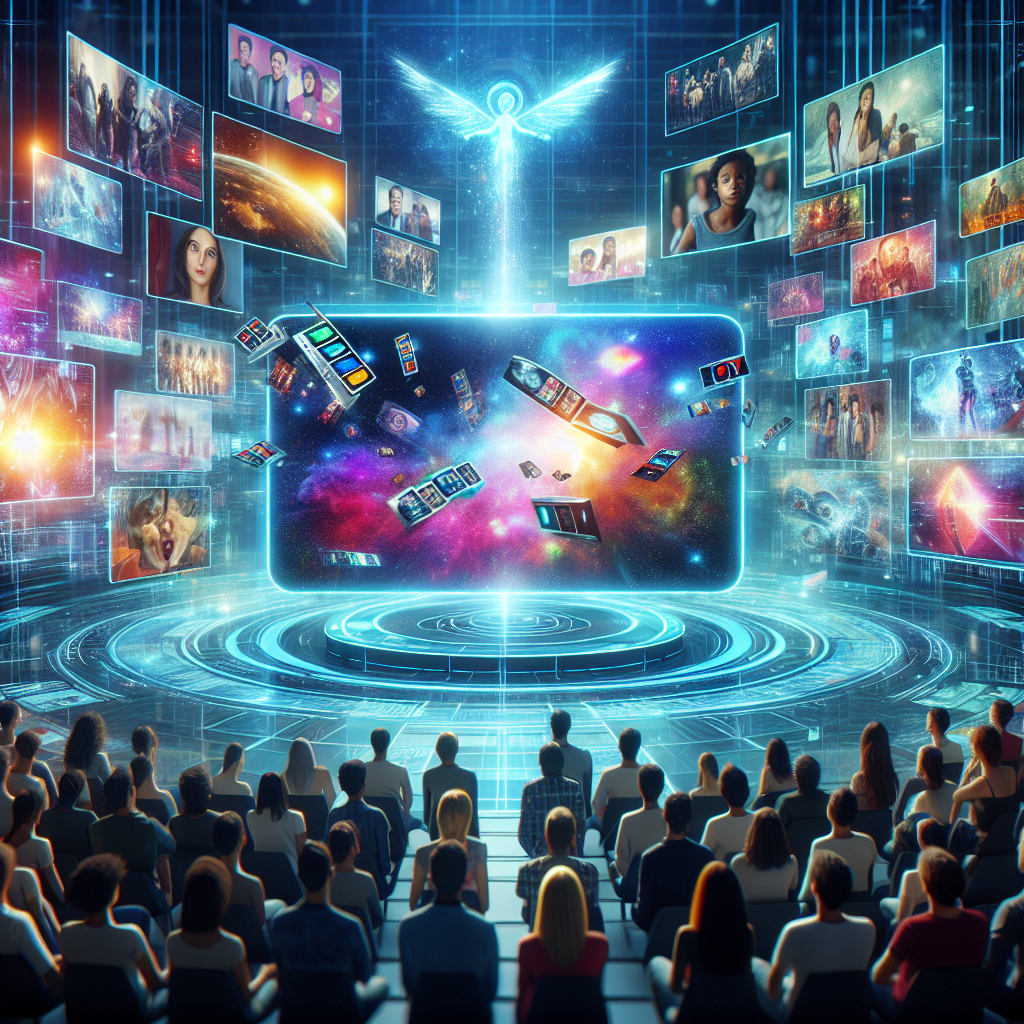
In the ever-evolving landscape of entertainment, streaming services have taken the lead, offering viewers worldwide unprecedented access to content on-demand. Connected TV (CTV) and Over-The-Top (OTT) services, alongside online video platforms, have drastically reshaped how audiences consume entertainment. This transformation is not just incremental but revolutionary, influencing everything from content production to advertising strategies. This article delves deep into how these digital domains are revolutionizing streaming services and what the future holds for the entertainment industry.
- The Miracle of CTV: Redefining Viewing Experiences
- The OTT Revolution: Paving the Way for Content Diversity
- The Rise of Online Video: Democratizing Content Creation
- Future Predictions: What’s Next for Streaming Services?
- Advertising in the New Age: Reaching the Right Audience
The Miracle of CTV: Redefining Viewing Experiences
Connected TV (CTV) combines the best of both worlds, integrating the expansive reach of traditional TV with the interactive capabilities of the internet. CTV allows users to stream digital content through apps installed on smart TVs or devices like Roku and Apple TV. The shift from linear TV to connected TV has fundamentally changed media consumption by providing:
- Access to a broader range of content: Viewers can access a vast library of shows, movies, and live broadcasts.
- Enhanced user experiences: Features like intuitive interfaces and personalized recommendations.
- Cross-device compatibility: Seamless viewing across multiple devices, be it a smartphone, tablet, or laptop.
The ongoing development and increasing adoption of CTV technology directly contribute to its significance in today’s media market. By offering a more adaptable and personalized viewing experience, CTV will continue to redefine how audiences engage with content.
The OTT Revolution: Paving the Way for Content Diversity
Over-The-Top (OTT) services, such as Netflix, Hulu, and Disney+, bypass traditional distribution channels, delivering media directly to viewers over the internet. This model has effectively democratized content distribution, allowing more diverse storytelling and viewpoints to surface. Some of the significant impacts of OTT include:
- Variety and personalization: From major blockbusters to niche indie films, OTT platforms offer something for every taste.
- Disruption of traditional cable models: OTT services have encouraged more competitive pricing and package options.
- Content globalization: Localized content is more accessible, exposing audiences to international films and series.
By championing diverse content and flexible viewing options, OTT platforms have become a staple in modern entertainment, influencing both consumer expectations and industry standards.
The Rise of Online Video: Democratizing Content Creation
Online video platforms, such as YouTube, TikTok, and Instagram Reels, have accelerated the democratization of content creation. These platforms empower everyday users to become content creators, leading to a surge in user-generated content. Key aspects include:
- Access to creator tools: Editing software and analytics are available to all users.
- Monetization opportunities: Creators can earn through advertisements, sponsorships, and fan support.
- Viral potential: Content can reach global audiences instantaneously through shares and recommendations.
By breaking down the barriers to entry, online video platforms have changed the very fabric of content creation, making it more accessible, diverse, and dynamic than ever before.
Future Predictions: What’s Next for Streaming Services?
The future of streaming services is poised for further transformation as technology continues to advance, and viewer expectations evolve. Here are some anticipated trends:
- Increased interactivity and personalization: Viewers will enjoy more tailored content experiences, with interactive features like choose-your-own-adventure storytelling.
- Enhanced AI and machine learning: As AI capabilities expand, platforms will offer even more precise content recommendations.
- Integration of virtual and augmented reality: These technologies will provide immersive viewing experiences that blur the lines between digital and physical worlds.
By adhering to these trends, streaming services can continue to thrive in a fiercely competitive digital landscape.
Advertising in the New Age: Reaching the Right Audience
The shift towards CTV, OTT, and online video has also revolutionized advertising methods. To succeed in this new era, advertisers must focus on:
- Programmatic advertising: Leveraging data-driven strategies to target specific demographics efficiently.
- Interactive and shoppable content: Integrating buying opportunities directly into advertisements for seamless transactions.
- Contextual targeting: Ensuring ads resonate with viewers through relevant, high-quality content alignment.
By embracing these innovative advertising strategies, brands can effectively reach and engage with their target audience in an ever-complex digital ecosystem.
In conclusion, the ongoing evolution brought about by CTV, OTT, and online video is reshaping the entertainment industry in groundbreaking ways. As technology advances and consumer habits continue to shift, staying ahead in this dynamic space will require adaptability, creativity, and a deep understanding of viewer preferences. Those who succeed will undoubtedly lead the future of entertainment in this revolutionized era.